


Pet owners in Reisterstown, MD, often focus on nutrition and exercise, yet oral care is sometimes overlooked. Dental health is closely connected to internal health, and this relationship is supported by veterinary medicine. At our pet hospital near you, professionals explain that untreated oral disease can affect multiple body systems.
Understanding How Dental Disease Spreads
The mouth contains bacteria, and these microorganisms can become harmful when plaque and tartar build up. As gum disease progresses, bacteria may enter the bloodstream and can travel to vital organs. This process is known as bacteremia, and it has been linked to heart disease, kidney dysfunction, and liver complications.
Veterinarians regularly diagnose cases where dental disease has contributed to systemic illness. While the damage may not be visible at first, it can become serious over time. Early intervention is recommended, and it can prevent long-term health issues.
Recognizing the Signs of Oral Health Problems
Pet owners should be aware of common symptoms and should respond when changes are noticed. Bad breath is a frequent sign, yet it is often dismissed as normal. Other symptoms include inflamed gums, loose teeth, and difficulty chewing.
Some pets may show behavioral changes, and others may eat less or avoid hard food. These signs can indicate discomfort or pain, and should be evaluated by a veterinarian. Prompt care can improve outcomes and reduce complications.
The Importance of Professional Pet Dental Care
Routine dental cleanings are performed at our pet hospital and are essential preventive care. During these visits, plaque and tartar are removed, and the gums are examined for signs of disease. Dental X-rays may be used, which allow veterinarians to assess areas below the gumline. Professional care helps reduce the risk of infection, and it supports overall health. When dental disease is treated early, more serious conditions can be avoided.
At Home Dental Care Practices
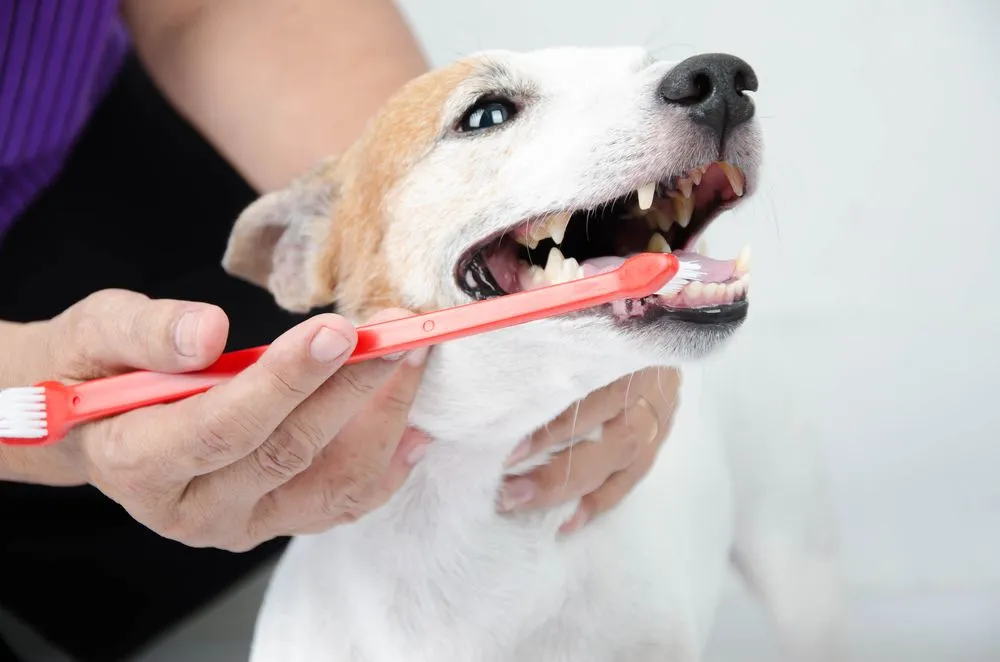
Daily care plays a significant role in maintaining oral health, and it should be part of every pet care routine. Pet owners should use toothbrushes and toothpaste designed for animals, and follow guidance from their veterinarian. Dental treats and chew toys can also help reduce plaque, but should not replace brushing. Consistent care is important, and small daily efforts can lead to lasting results.
Preventive Care Benefits at TLC For Pets
Dental disease can affect the entire body, yet it is largely preventable. For more information or to schedule an appointment, call our office at (410) 833-1717. By working with TLC For Pets Animal Hospital and following recommended care practices, pet owners in Reisterstown, MD can protect their pets’ health and improve their quality of life.