


If you notice your pet scratching more than usual or developing red, inflamed skin, they may be suffering from pet skin allergies. At TLC for Pets, located in Reisterstown, MD, our veterinarians are experienced in diagnosing and treating various types of allergies in pets. Understanding the causes and symptoms of pet skin allergies can help you take the right steps to relieve your furry friend's discomfort.
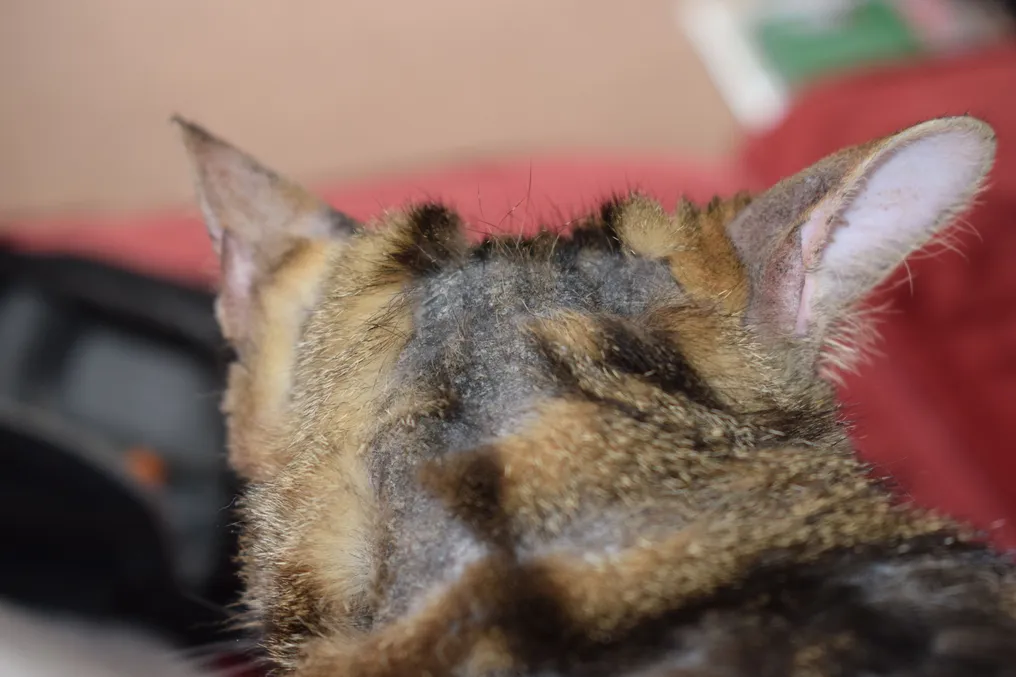
What Are Pet Skin Allergies?
Pet skin allergies occur when your pet's immune system overreacts to substances that would typically be harmless, such as pollen, dust mites, mold, or certain foods. These allergens can cause inflammation, itching, and other symptoms that affect your pet's skin. Allergies are common in pets, particularly in dogs, and can develop at any age.
Common Causes of Pet Skin Allergies
In Reisterstown, MD, the most common causes of pet skin allergies include environmental factors like pollen and grass, as well as food allergies and flea bites. Fleas can also cause allergic reactions, resulting in what is called flea allergy dermatitis. Additionally, pets may develop sensitivities to certain ingredients in their food or to shampoos and other grooming products.
Symptoms of Pet Skin Allergies
Symptoms of pet skin allergies can vary depending on the type of allergen and your pet's sensitivity. Common signs include excessive scratching, licking, or biting at the skin, hair loss, red or inflamed areas, and dry or flaky skin. Pets may also experience ear infections, watery eyes, and sneezing. If you notice any of these symptoms, it's important to seek advice from a veterinarian near you as soon as possible.
Treatment for Pet Skin Allergies
Treatment for pet skin allergies may include medications to reduce itching and inflammation, such as antihistamines or steroids. If a food allergy is suspected, an elimination diet can help identify the trigger. For pets suffering from flea allergies, flea prevention and control are essential. In some cases, allergy testing may be necessary to pinpoint the specific allergen.
Preventing Pet Skin Allergies
Preventing pet skin allergies starts with reducing exposure to allergens. Regular grooming and bathing with hypoallergenic shampoos can help keep your pet's skin clean and free from irritants. Additionally, keeping your home free from dust and pollen, using flea control products, and selecting the right food can all play a role in preventing skin reactions.
Contact TLC for Pets for Professional Care
If you suspect your pet is suffering from skin allergies, don’t wait for the problem to worsen. Call TLC for Pets at (410) 833-1717 to schedule an appointment with one of our experienced veterinarians. Our Reisterstown, MD, animal hospital is committed to providing the best care for your pets. Whether it's a simple skin irritation or a more complex allergy case, we're here to help your pet feel better.